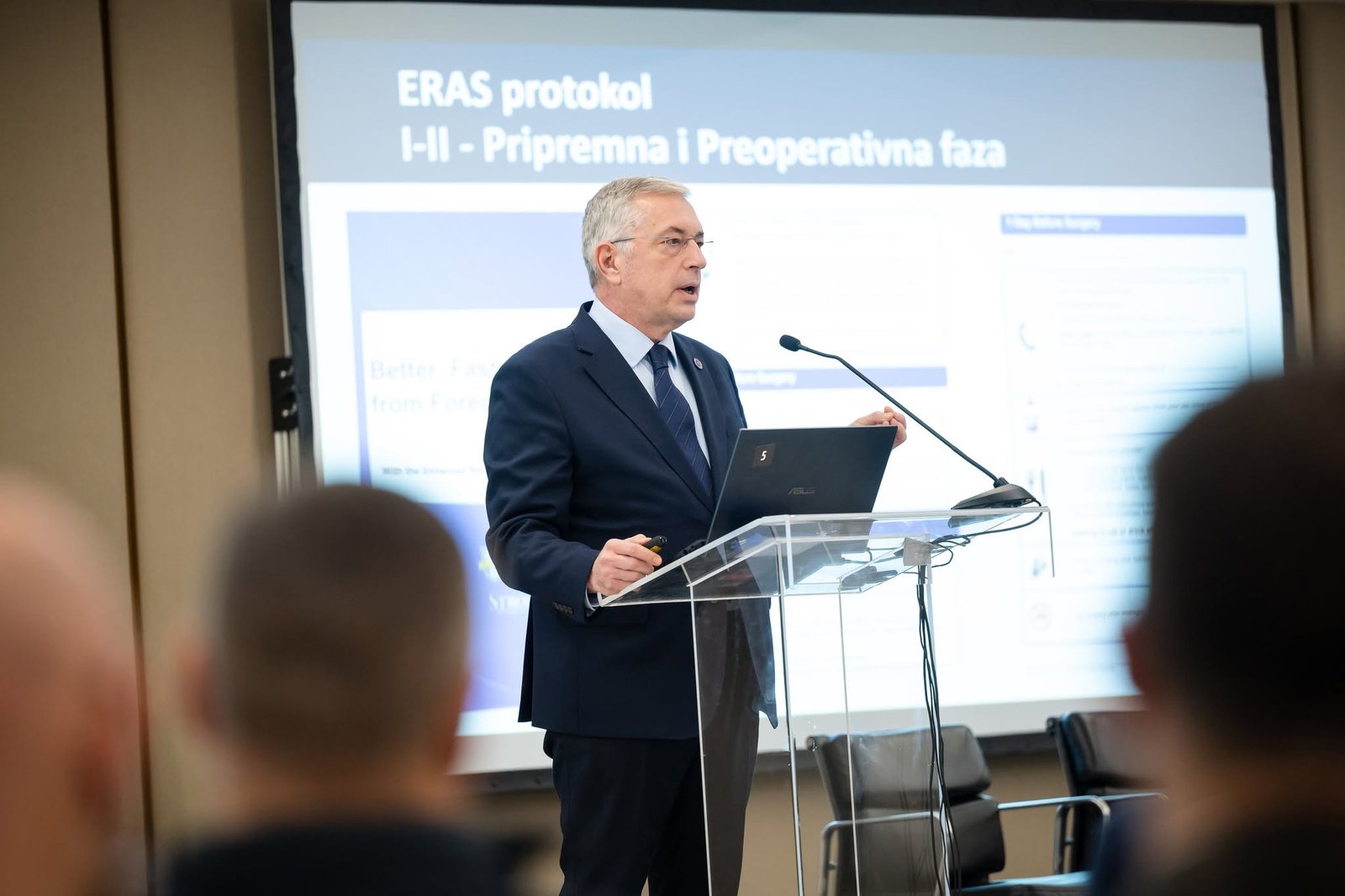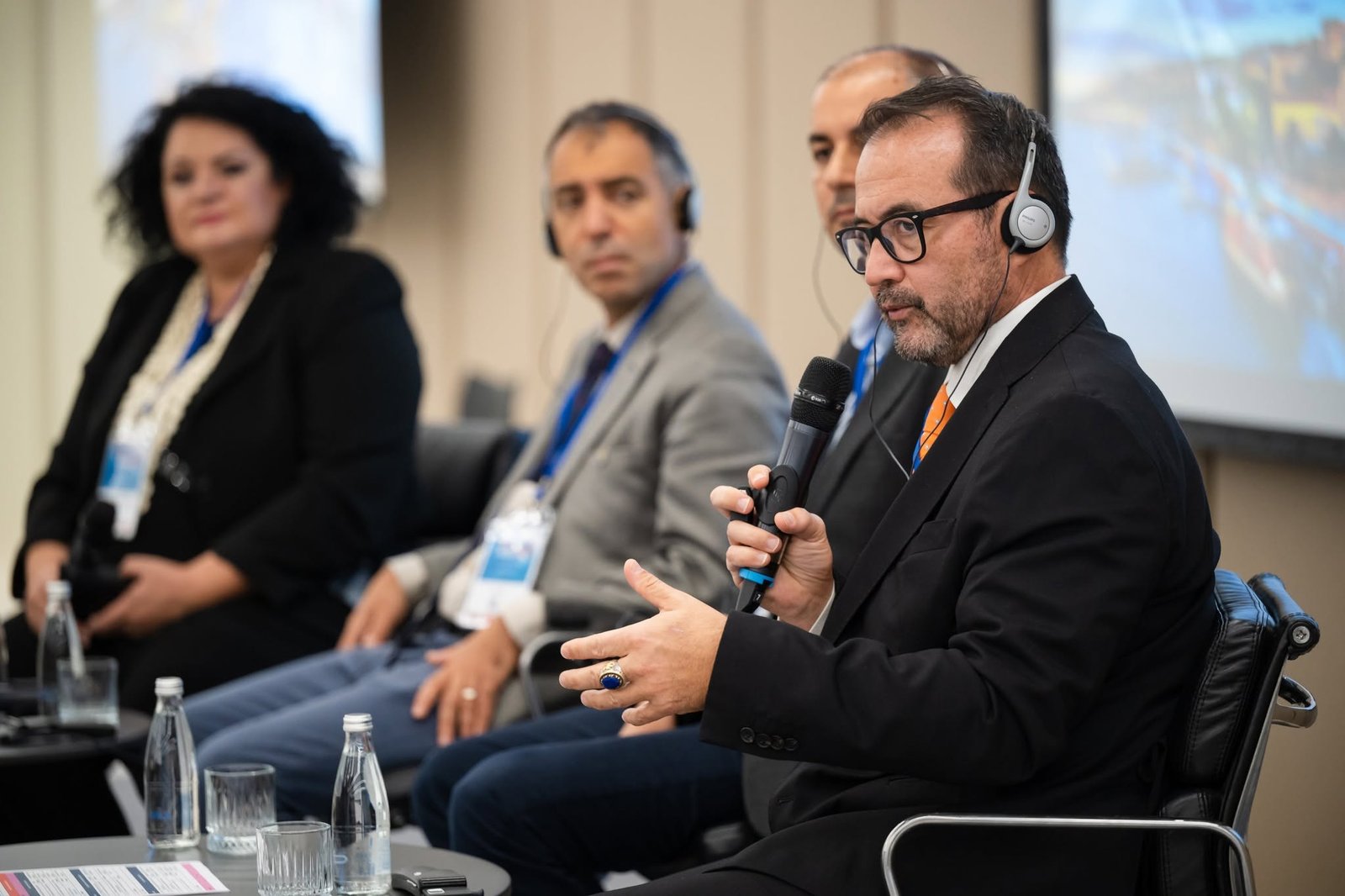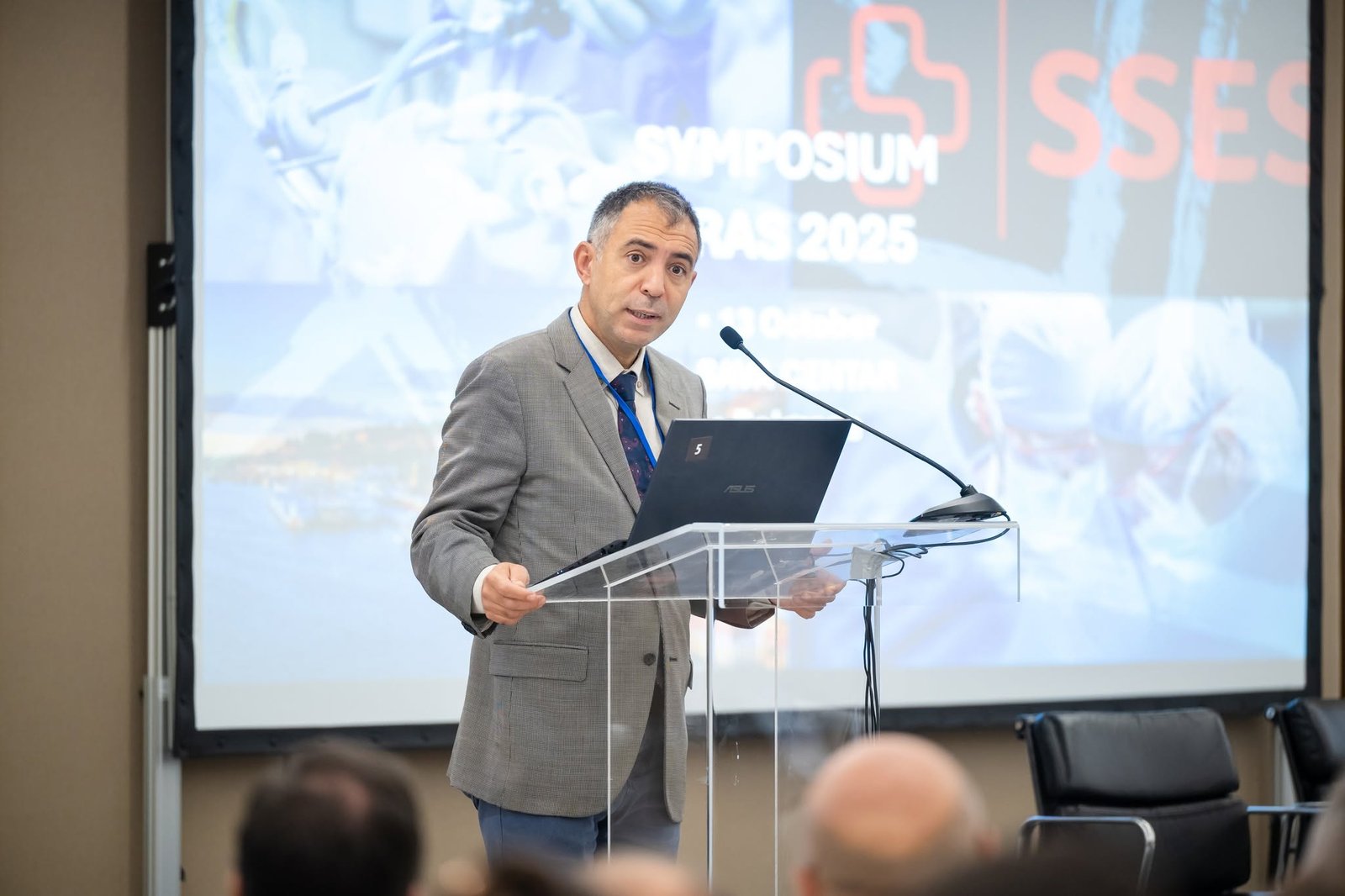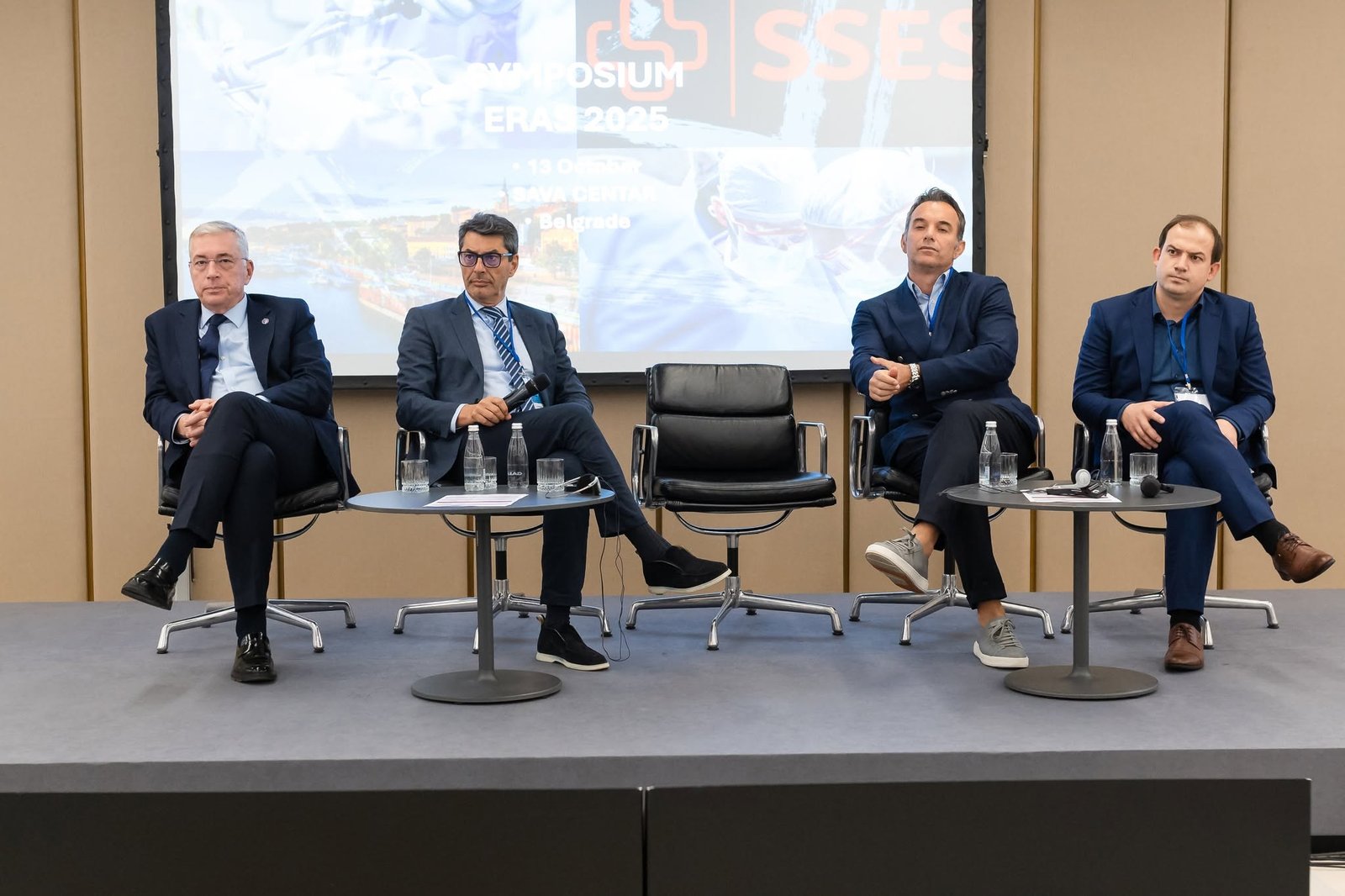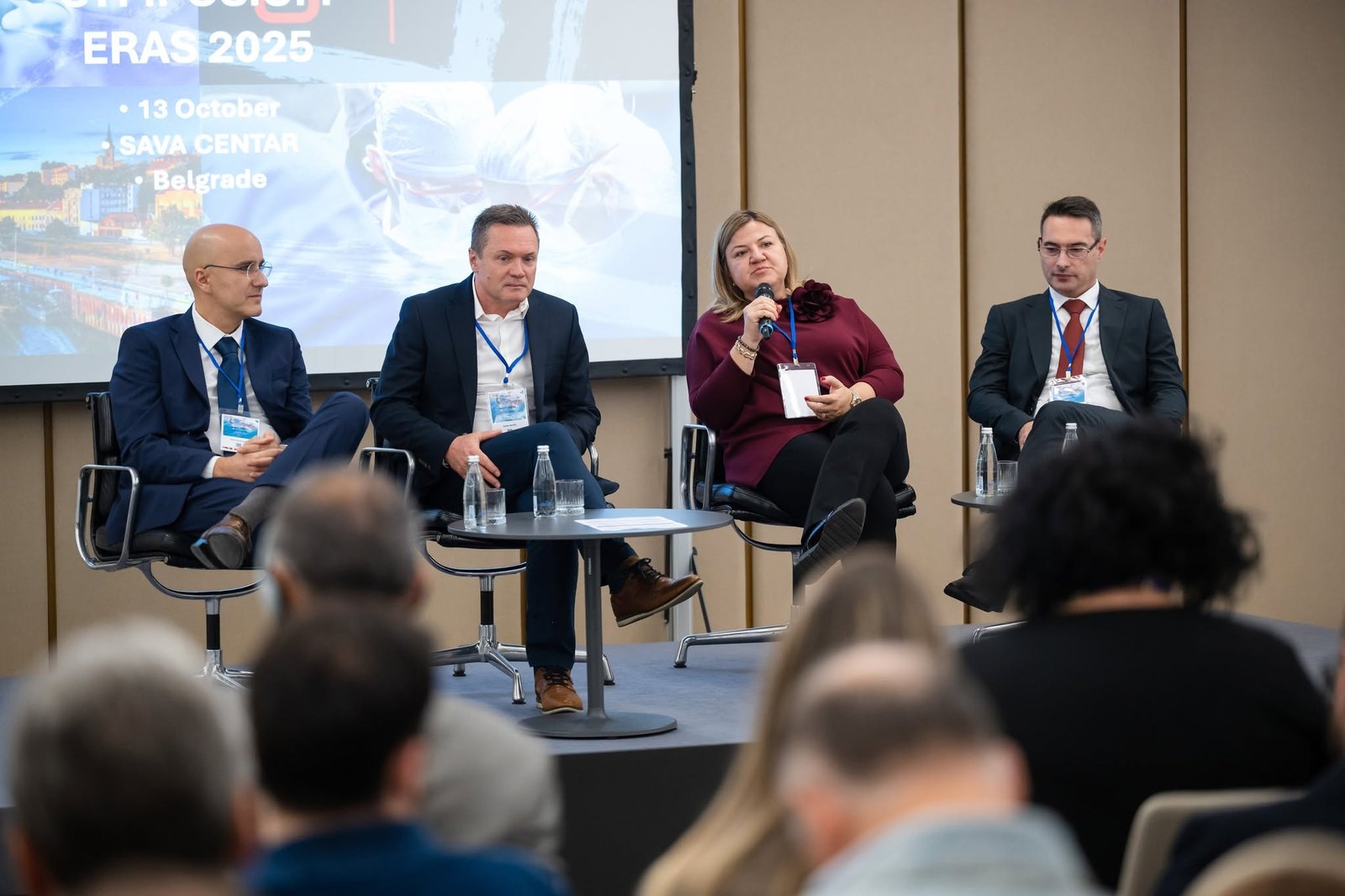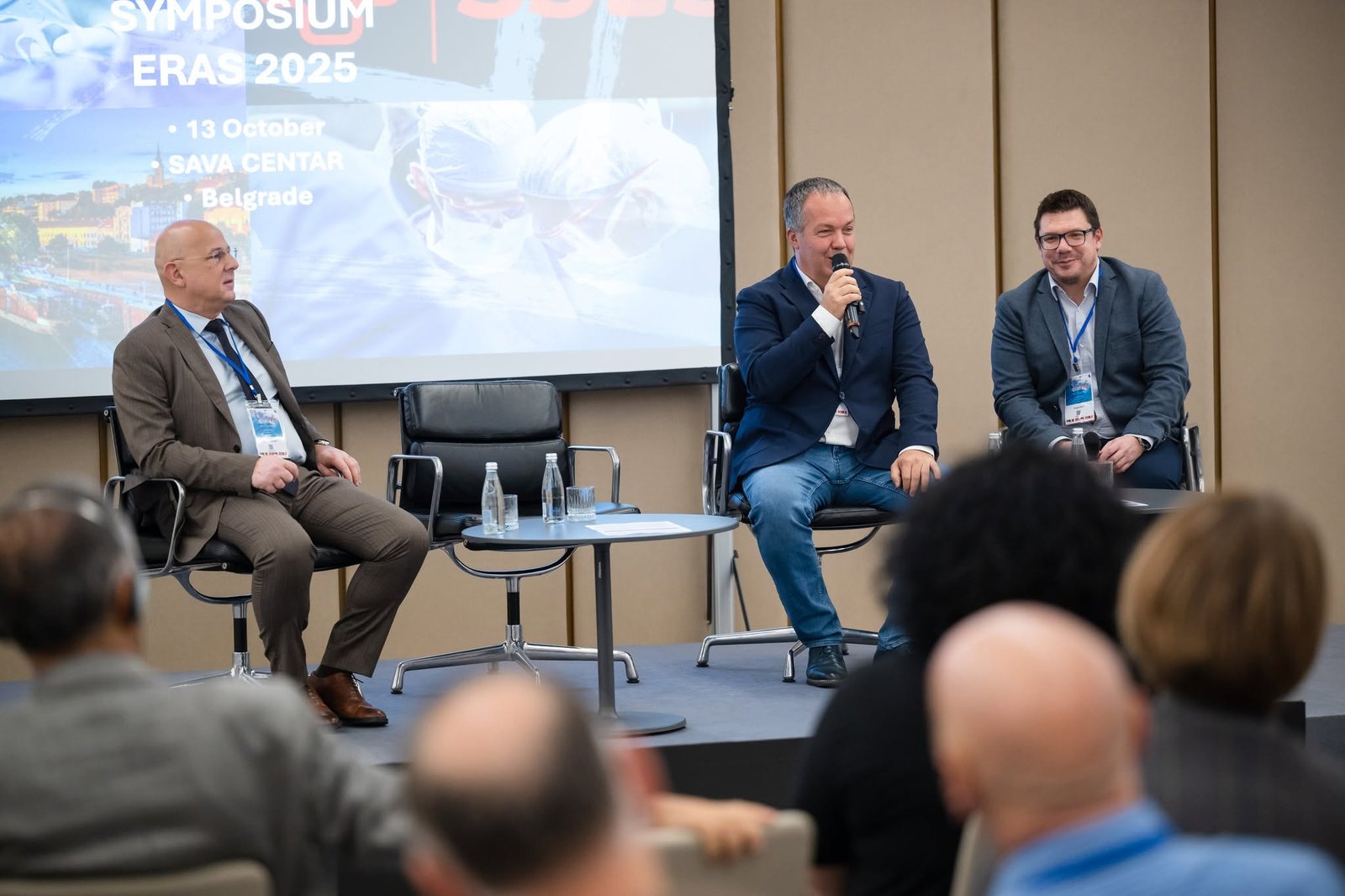
SUCCESSFULLY HELD SYMPOSIUM ERAS SSES 2025: Application of the ERAS protocol in emergency surgery – a step forward in the care of the critically ill
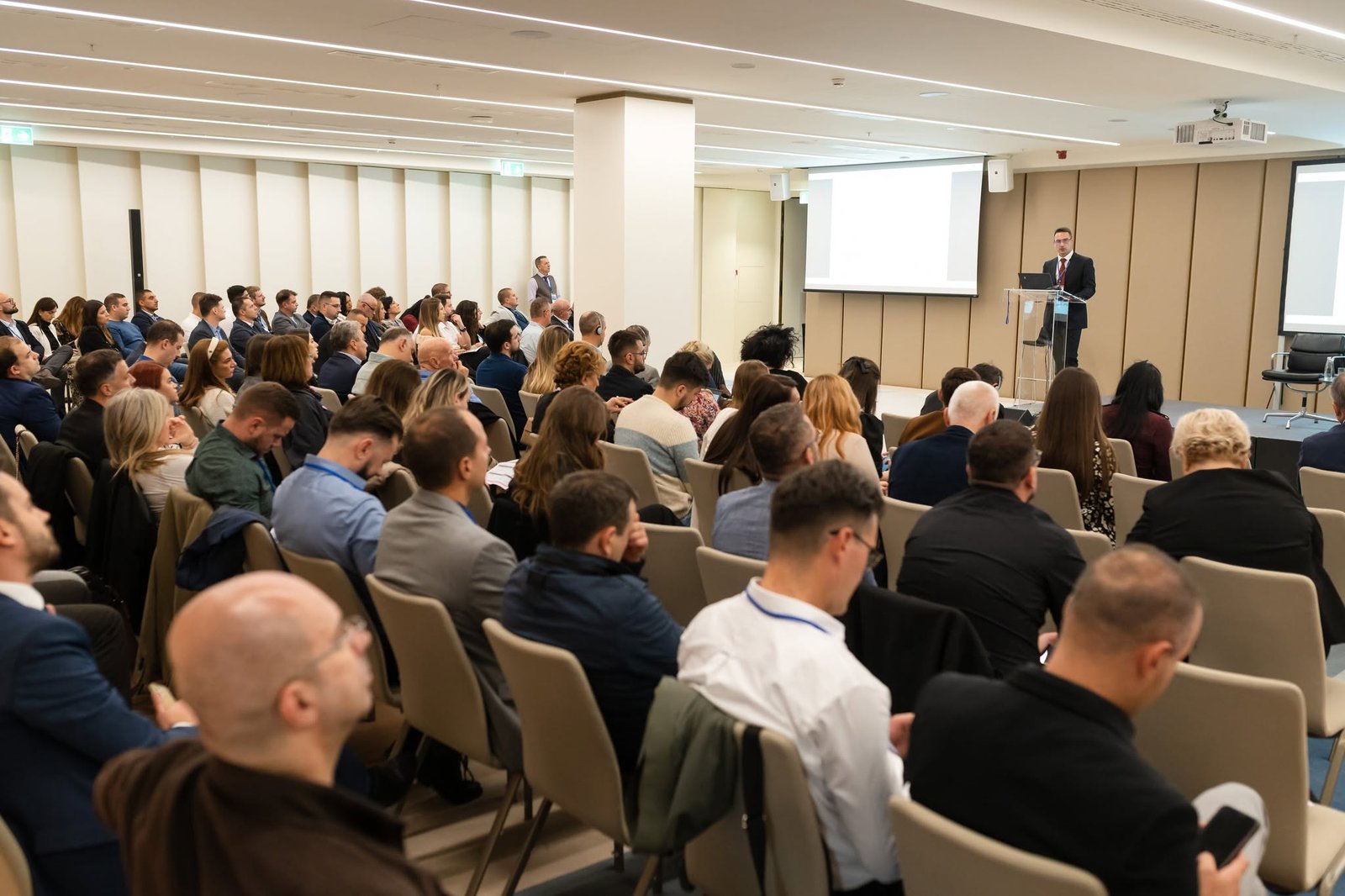
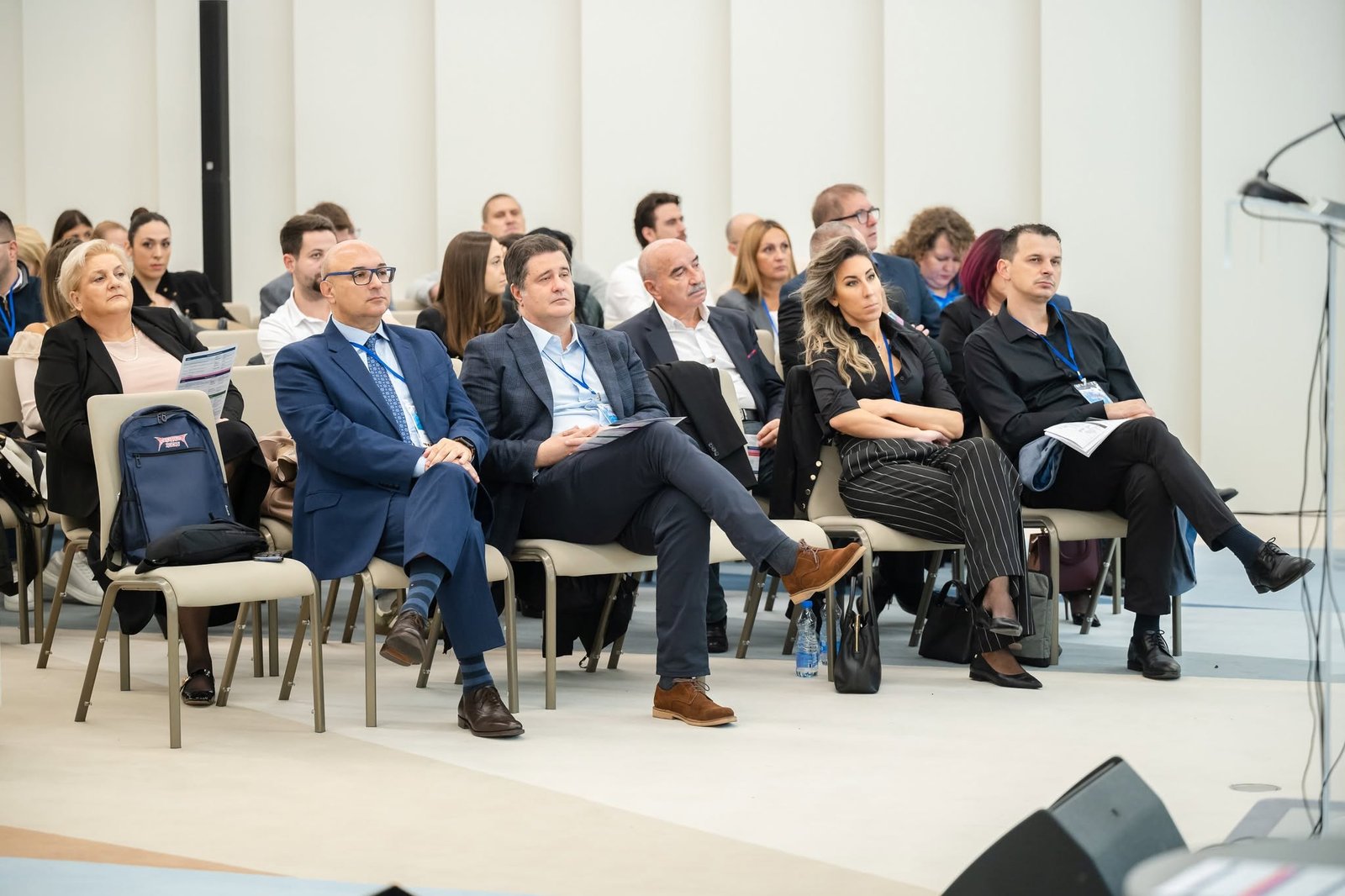
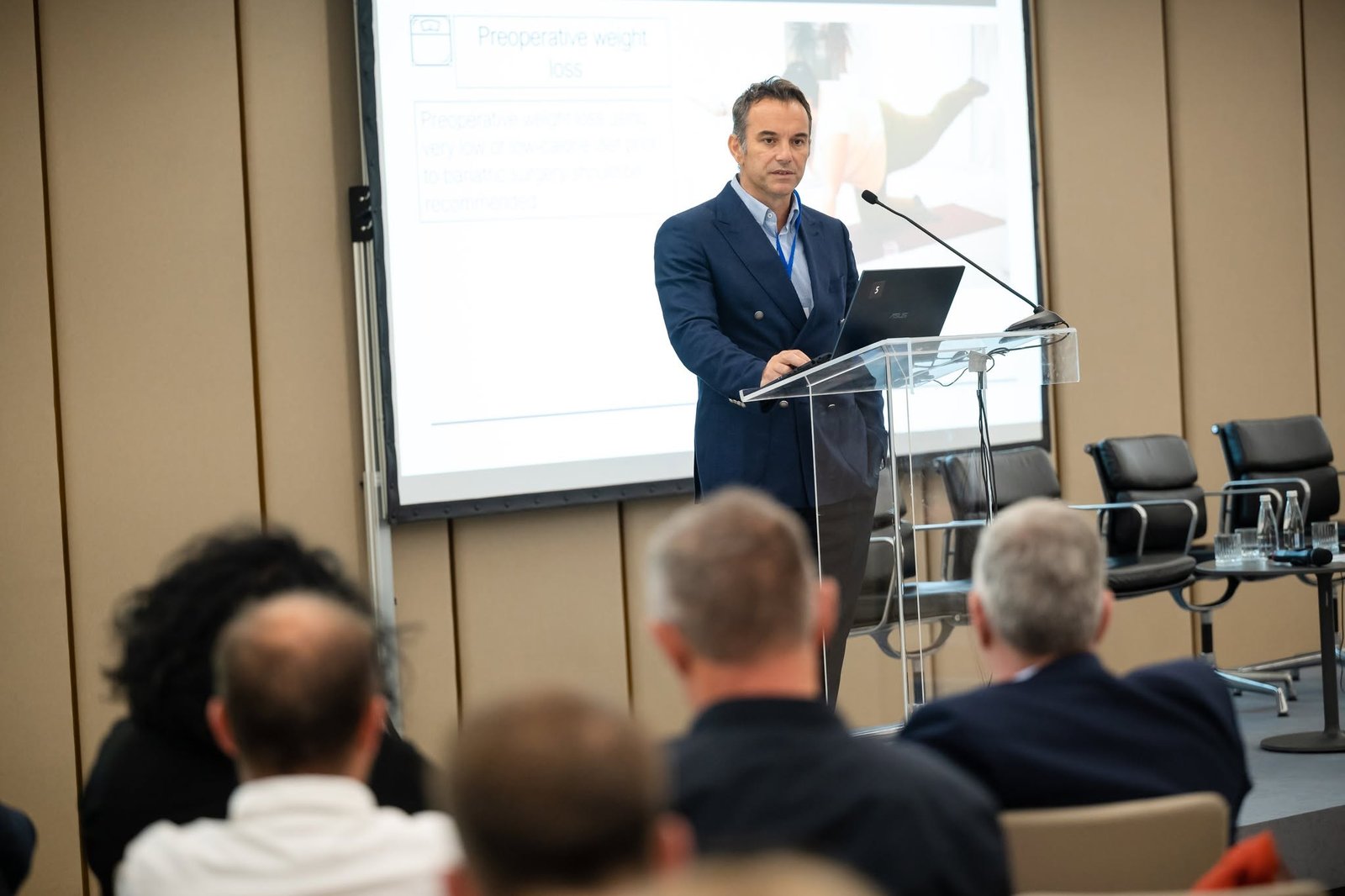
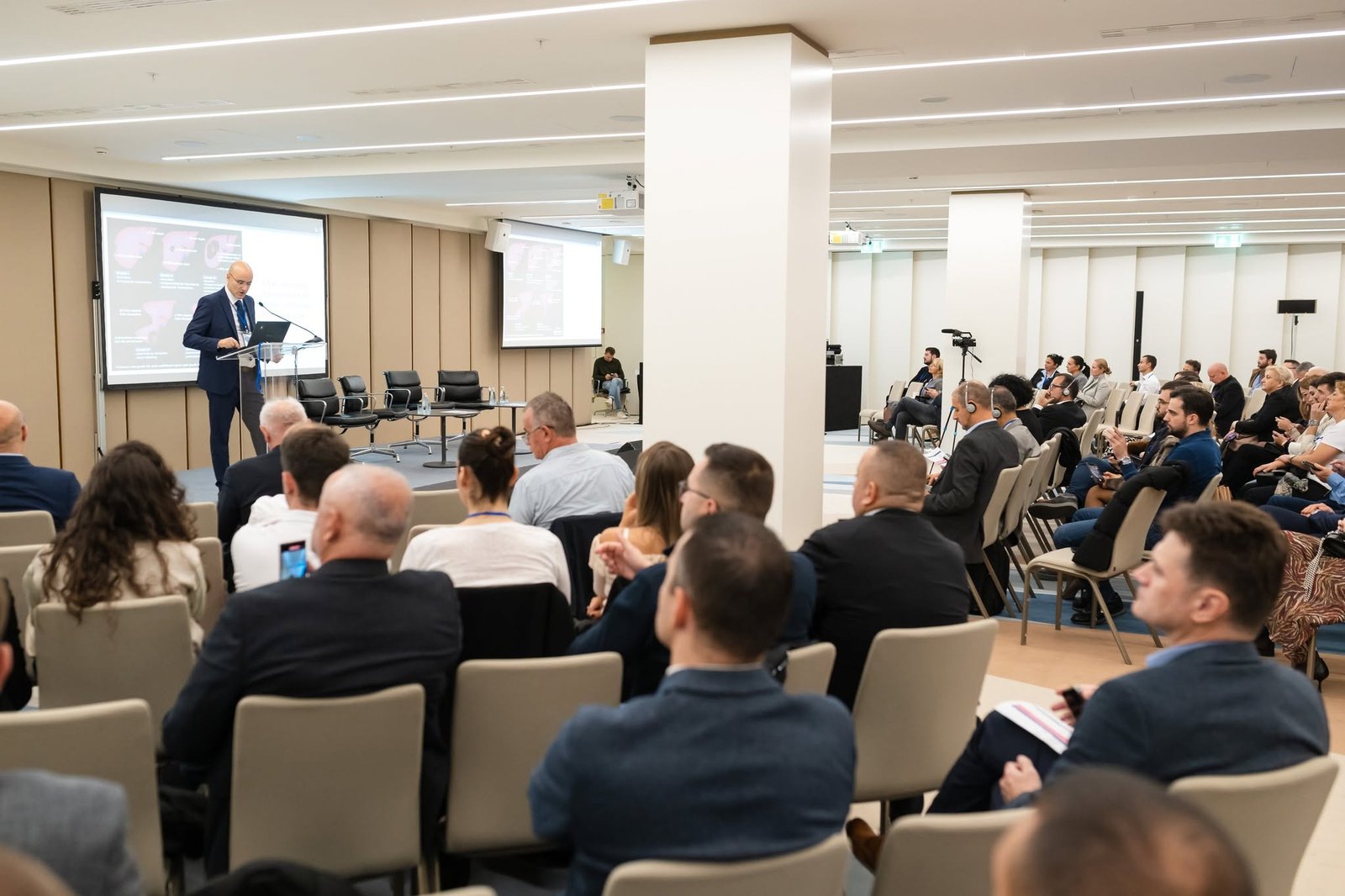
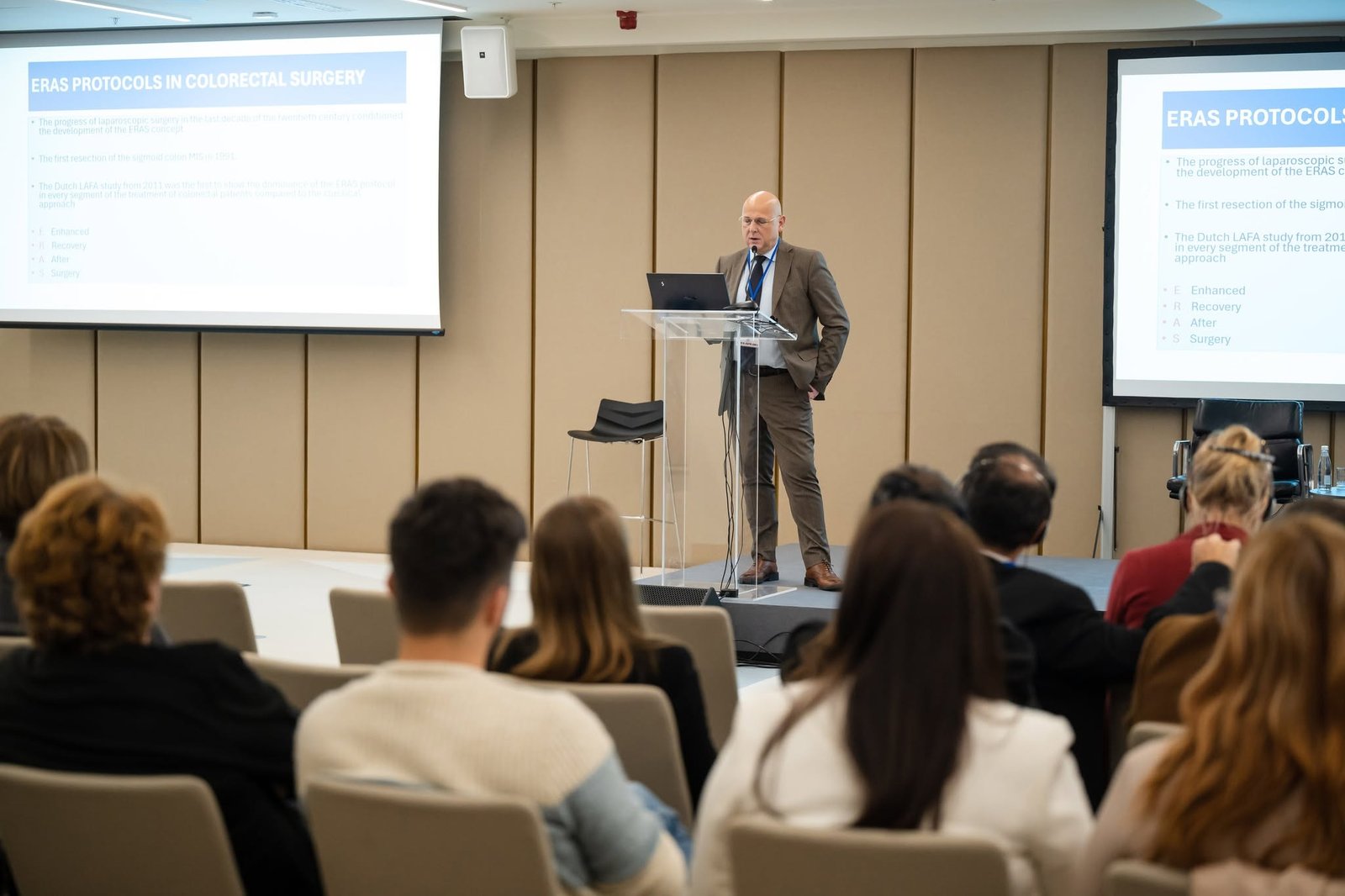
The Serbian Society of Emergency Surgery (SSES) successfully organized an expert symposium dedicated to the implementation of the ERAS (Enhanced Recovery After Surgery) protocol in the field of emergency surgery. This important scientific and practical meeting brought together leading domestic and regional experts – surgeons, anesthesiologists and intensivists – with a common goal: standardization of perioperative care and optimization of treatment outcomes for emergency surgical patients.
Continuous education and the introduction of modern, evidence-based medical guidelines remain imperative in the work of our association. Traditionally viewed as a standard in elective (planned) surgery, the ERAS protocol is now successfully finding its way into emergency situations, where every second and systemic approach means saving human lives.
About the topic: What does ERAS bring to emergency surgery?
ERAS (Enhanced Recovery After Surgery) represents a multidisciplinary, multimodal concept of perioperative care that completely changes traditional surgical dogmas. The focus of the protocol is on reducing surgical stress, preserving the patient’s physiological functions and speeding up his recovery.
It has been proven that the correct application of ERAS principles:
- It reduces the rate of postoperative complications by as much as 30% to 50%.
- It shortens the length of hospital treatment (up to 30%), enabling patients to return to daily activities more quickly.
- Significantly reduces the total costs of the health system.
Three key pillars of the ERAS protocol in emergencies:
- Preoperative phase (Rapid optimization): Although emergency patients do not allow long-term preparation as electives, ERAS in emergency situations (such as emergency laparotomies) implies rapid, structured resuscitation, targeted optimization of volemia and nutritional status, as well as early antibiotic therapy.
- Intraoperative phase (Standardization of surgery and anesthesia): The focus is on applying minimally invasive techniques wherever possible, avoiding the routine placement of drains and probes, and on the application of multimodal anesthesia and analgesia to reduce the use of opioids.
- Postoperative phase (Early mobilization and rehabilitation): It involves early extubation of patients, adequate individualized pain control, early initiation of oral nutrition and rapid physical activation to prevent complications such as deep vein thrombosis or hypostatic pneumonia.
Multidisciplinarity as the key to success
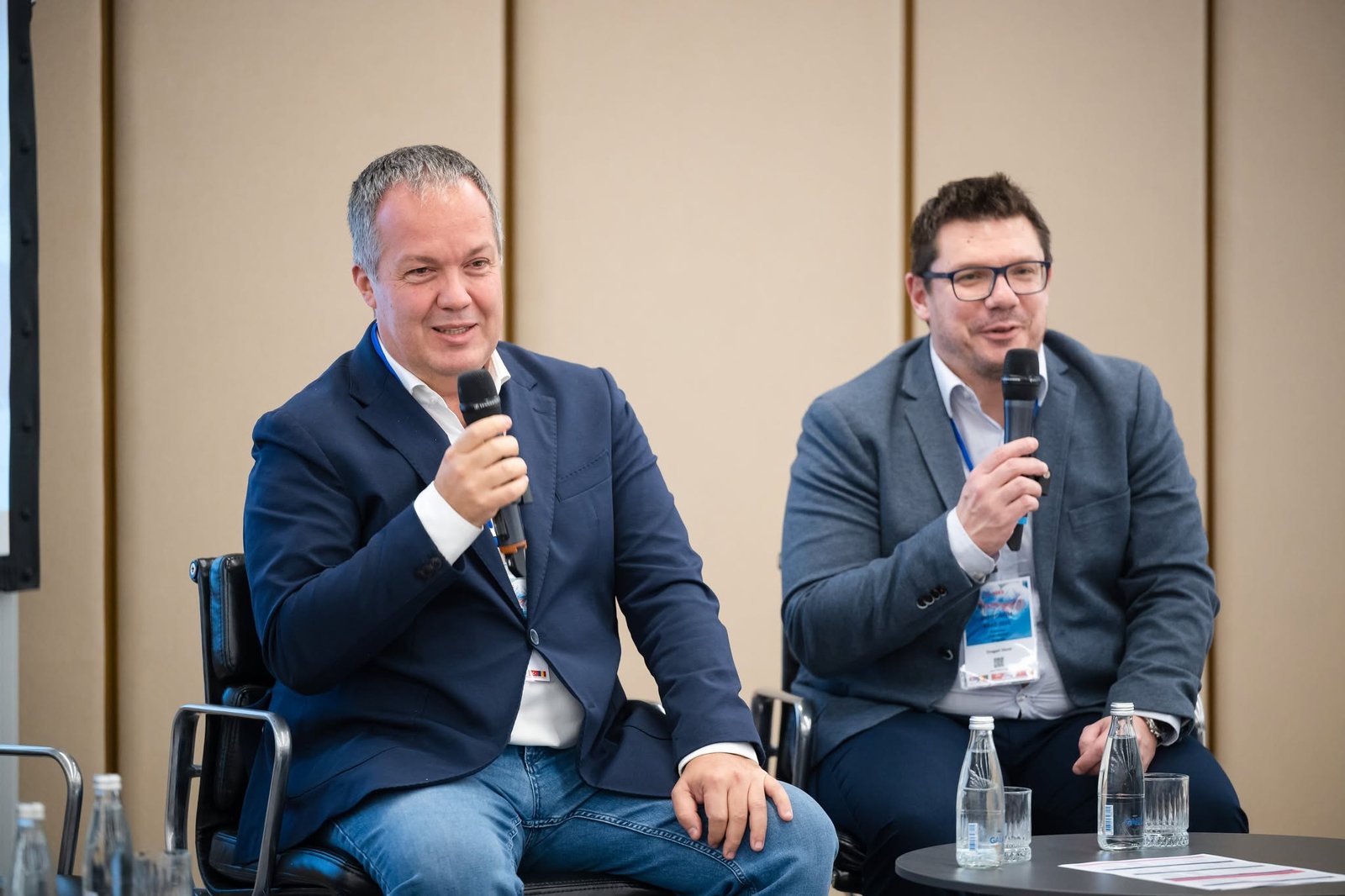
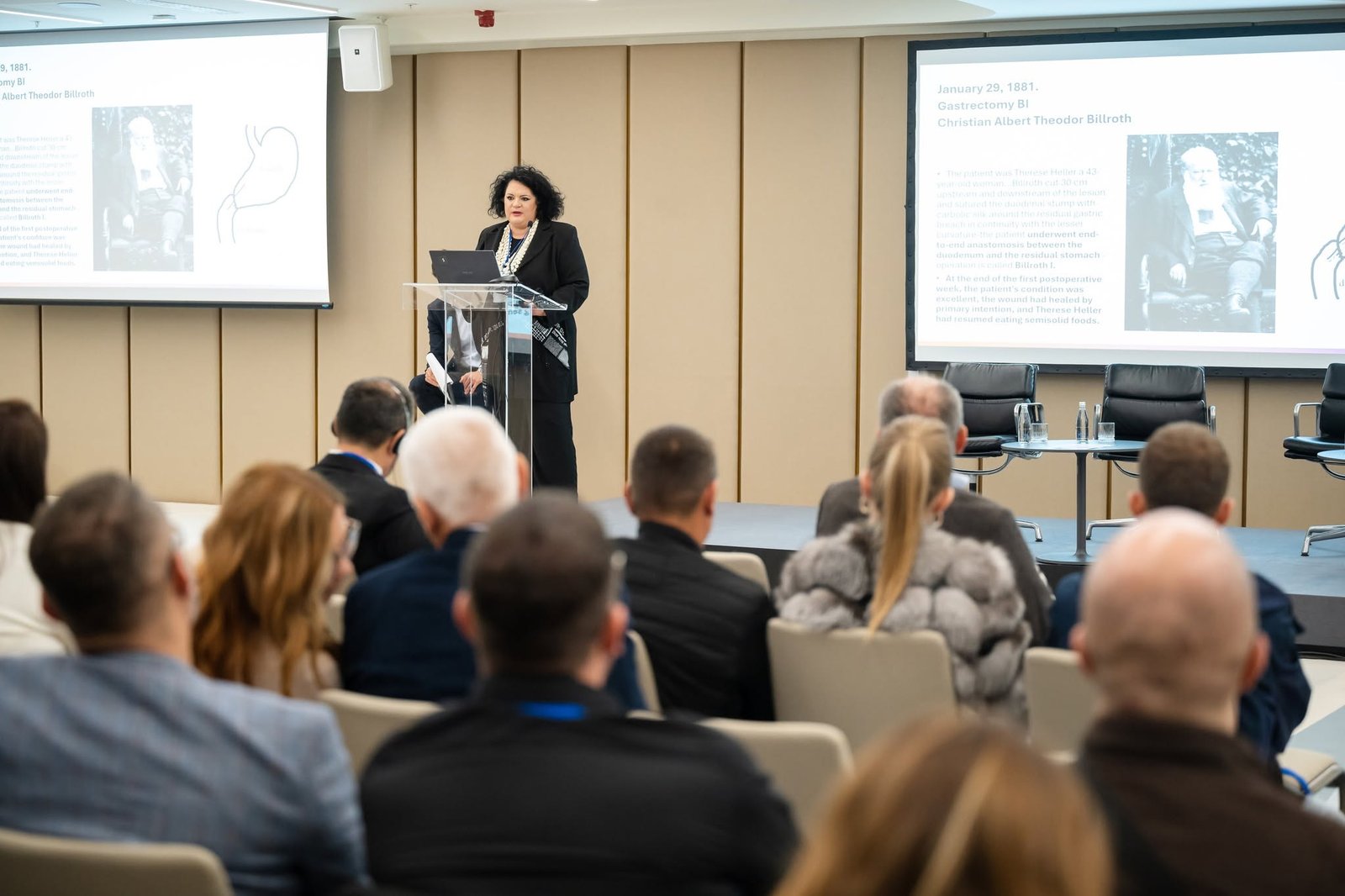
During the symposium, through a series of lectures and interactive discussions, it was emphasized that ERAS is not a protocol implemented by only one doctor. It is the teamwork of the entire perioperative community – from surgeons and anesthesiologists, through intensivists, all the way to instrument technicians, nurses and technicians in the wards.
The participants had the opportunity to hear the latest recommendations of the International ERAS Society for emergency general surgery and trauma (ERATIC guidelines), as well as to share experiences about the challenges they face in everyday practice when implementing these protocols in domestic health institutions.
A look into the future
Closing the symposium, the leadership of the Serbian Association of Emergency Surgery (SSES) said that this gathering is just one in a series of steps towards the creation and implementation of official national guidelines for emergency surgical conditions. By raising the quality of education and introducing smart medical protocols, SSES continues to position domestic emergency surgery at the very top of modern European and world medicine.
We would like to thank all the lecturers, sponsors and participants who contributed to the success of this symposium with their presence and discussion!